

A celebration of flavor and togetherness
Ethiopian cuisine is an extraordinary culinary tradition built around community, rich aromas, and vibrant spices. Centered on soft, sourdough flatbread called injera, meals are traditionally shared from a single communal platter—bringing people together to savor every bite with their hands. In todays world, Ethiopian cuisine can be prepared anywhere since all the ingredients needed can be readily accessible.
From slow-simmered, fragrant stews made with berbere spice to an extensive selection of flavorful vegetarian and vegan dishes, every plate reflects centuries of heritage, hospitality, and soul-warming comfort.
A key component in Ethiopian cuisine is injera – a tangy and soft flatbread crafted from teff, an ancient grain native to Ethiopia. ( now grown in the United States and a few other countries). injera is commonly paired with an assortment of wot dishes featuring vegetables, legumes, and/ or meats. (W/ history)
Teff appreciated for balanced nutrition properties, possesses protein and essential amino acids like leucine, valine, proline, alanine, glutamic and aspartic acids. It is also rich in minerals like Iron, Calcium, Zinc, Magnesium than other cereals.
Teff is believed to have originated in Ethiopia between 4000 BCE and 1000 BCE. It is believed to have come from Eragrostis pilosa, a grass family. The close connection between the two grasses is supported by genetic evidence. They are also very similar in morphology, sometimes indistinguishable. The most consistent difference is that E. pilosa undergoes spikelet shattering, the disintegration of the seedhead that is the first step in seed dispersal. Teff heads do not shatter, making the plant easier to manage as an agricultural crop. E. pilosa has been occasionally harvested as a grain in Ethiopia, but only in times of desperation.
The shallow fibrous roots of Teff form a massive root system, and the plant is resistant to both drought and waterlogging. Read in Britannica
Uses of Teff
Teff is a multipurpose crop which has a high importance for the Ethiopian diet and culture. In Ethiopia, teff provides two-thirds of the daily protein intake. It is not only important for human nutrition, but also as fodder for livestock, or as building material. Teff is the main ingredient to prepare injera, a sourdough-risen flatbread. During meals, it is often eaten with meat or ground pulses. Sometimes it is also eaten as porridge. Moreover, teff can be used to prepare alcoholic drinks, called arak'e or katikalla or beer, called t'ella or fersso. Finally, due to its high mineral content, teff is also mixed with soybeans, chickpeas or other grains to manufacture baby foods.

This is enjera folded in quarters as it is served at Ahadu

A typical Vegetarian combination dish put together on top of injera in a carry - out box.
One strong indication that Teff has been a uniting factor in Ethiopia is the fact that it has been used to make injera in most Major ethnic groups ( Amara, Oromo & Tigre ) for centuries. injera is universal across different regional and ethnic groups, preparation methods, grain color preferences, and secondary uses vary but the use thereof is common to all. While ethnic groups in the southern and western lowlands rely more heavily on other staples (such as maize, sorghum, enset, or barley for drinks like Borde or Cheka), teff is still traded, valued, and integrated into local fermented food and drink preparations when accessible. (National Library of Medicine)
In some ethnic groups, teff flour is made into a thick, porridge known as genfo. It is common to mix teff with barley or wheat if cost is an issue. The mix is then shaped into a mound with a well filled with spiced butter and chili powders.
Teff Variety
While white teff is often favored in Ethiopia for its premium look , brown teff is undeniably the nutritional superstar of the three varieties for its taste and value. To illustrate why the darker grain reigns supreme, the comparison chart below breaks down how white, mixed, and brown teff stack up against one another.
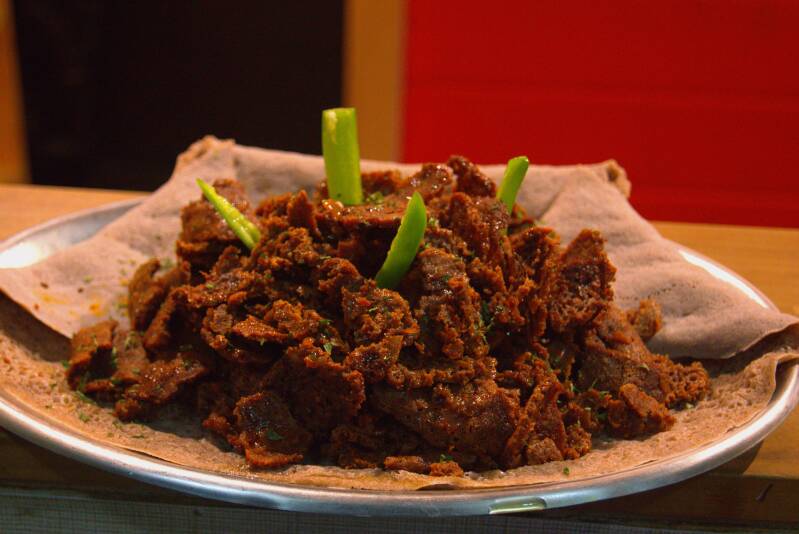
How to make Teff Injera
To make traditional injera, you just mix fine teff flour with water and let it sit at room temperature for three to four days so wild yeasts can ferment it into a tangy, sourdough-like batter. Before cooking, a small scoop of the batter is mixed with boiling water to form a gel-like paste called absit, which gets stirred back into the main pot to give the bread its perfect stretch. When you're ready to bake, you pour the thin batter onto a ripping-hot, flat griddle—traditionally a clay mitad—in a smooth spiral motion and cover it with a lid so it steams without needing a flip. This steaming process leaves the bottom smooth while creating a spongy, crater-filled top that is absolutely perfect for scooping up rich Ethiopian stews.

Ahadu uses Arif Injera
Ahadu Ethiopian Restaurant uses Arif injera made daily from brown teff. We chose brown teff for its exceptional nutritional value. Arif injera makes 100% teff injera and distributes it locally and nationally. If you are interested in ordering their injera, you can contact them through the following link Arif injera
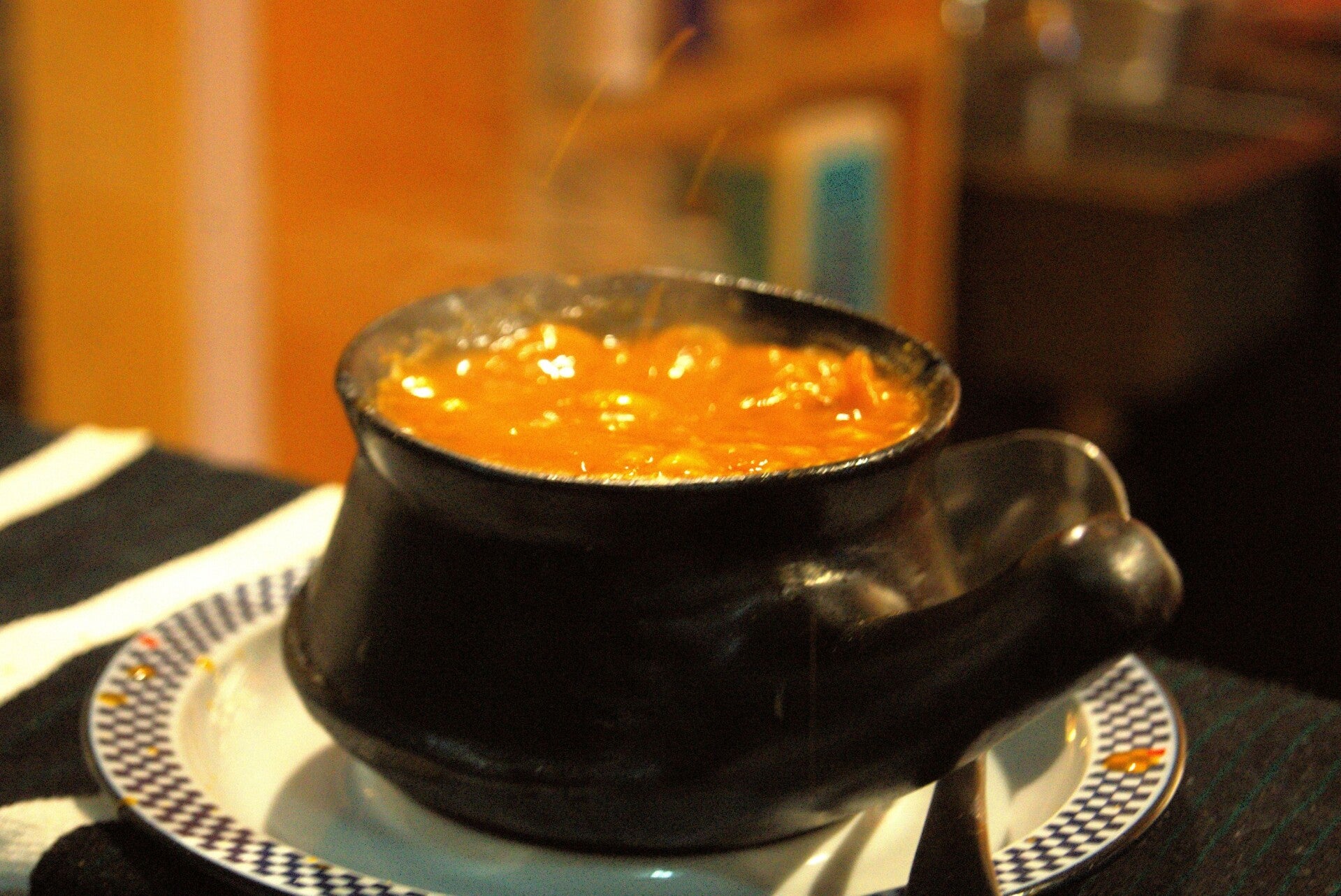
Shiro
Shiro is one of the main traditional Ethiopian cuisines made from chickpeas, mixed with an array of spices. or tsebhi shiro) originates from the highlands of Northern Ethiopia and Southern Eritrea. It is one of the most culturally significant, ancient, and widely consumed staples in the Horn of Africa. Its history is deeply intertwined with religious fasting traditions, agricultural necessity, and communal eating.
The history of shiro is tied to the cultivation of legumes like chickpeas, faba beans, and field peas, which have been farmed in the Ethiopian highlands for millennia. Historically, shiro developed as a practical solution for food preservation. By roasting legumes, seasoning them with indigenous spices, and milling them into a fine powder (shiro mitin), communities created a shelf-stable ingredient that could last for months without refrigeration. Read here
Shiro
The Distinct Flavor of Shiro
The flavor of shiro can be as diverse and distinctive as the many ethnic and regional traditions of Ethiopia. Mitin shiro is commonly enjoyed in the northern parts of the country, while variations of shiro are also prepared in the southern lowlands, where local ingredients and culinary traditions give the dish its own unique character.
Traditional shiro begins with a carefully prepared flour made from roasted and finely ground legumes. The basic ingredients include:
- Base flour: Yellow split peas, chickpeas, and a small amount of lentils, roasted and finely ground.
- Spices and herbs: Berbere, a traditional Ethiopian chili spice blend, along with dried garlic, dried ginger, holy basil, oregano, ajwain, cardamom, and fenugreek.
The combination of these roasted legumes, aromatic herbs, and carefully balanced spices creates the rich, comforting, and unmistakably Ethiopian flavor that makes shiro a staple of Ethiopian cuisine.
Mitin Shiro
Mitin shiro is a finely milled shiro flour traditionally associated with northern and central Ethiopian cooking. The legumes—commonly split peas and chickpeas, sometimes with lentils—are roasted and ground very finely, then blended with spices.
It tends to have:
- A smooth, fine texture
- A deep roasted-legume flavor
- A pronounced berbere and spice character
- Aromatics such as garlic, ginger, basil, fenugreek, ajwain, and cardamom
- A rich red or orange appearance when made with berbere
The flour is prepared in advance, which makes mitin shiro particularly convenient for preparing a smooth shiro wot.
Southern Ethiopian Varieties
In southern Ethiopia, shiro traditions can differ according to the local community and available ingredients. Some preparations use a different balance of legumes, spices, and chili, and the resulting dish may be lighter, more earthy, or more strongly influenced by local peppers and herbs.
One important distinction is that “southern shiro” isn't a single standardized variety. Southern Ethiopia encompasses many peoples and food traditions, so recipes can vary considerably from one area to another.
Recipe
- shiro powder mitin or non-mitin
- 2 medium red onions, pureed or finely minced
- 1 to 2 Roma tomatoes, pureed or finely diced
- 4 to 5 cloves garlic, crushed or minced if using non-mitin shiro
- 2 to 3 tablespoons berbere spice if using non-mitin shiro
- 3 cups water
- Salt to taste
- 1 jalapeño pepper, sliced or whole (optional)
- Sauté the aromatics: Heat some good olive oil in a medium pot over medium-low heat. Add the pureed onions and cook for a few minutes until soft and translucent. Build the base: Stir in the minced garlic (non-mitin) and pureed tomatoes. Cook down for 2 to 3 minutes until a thick, fragrant paste forms. Add spice: (non-mitin) Mix in the berbere spice and let it cook for about a minute until fragrant. Pour water: Add 3 cups of water and bring the mixture to a rapid boil. Whisk in Shiro: Reduce the heat to low-medium. Gradually sprinkle in the shiro powder a little at a time, whisking continuously to avoid lumps. Simmer: Cover and let the stew simmer for 10 to 15 minutes, stirring every few minutes to make sure it does not stick, until it reaches a thick gravy consistency and a little oil rises to the top. Garnish and serve: Drop in sliced jalapeños for the last few minutes of cooking, then serve hot with injera or flatbread.

Miser Wot
Miser Wot is very similar to the Indian, Dal, a lentil stew.
Historical and Trade Links
Ancient Trade: Historic maritime trade connected the Horn of Africa and India for over two millennia. Merchants exchanged spices, textiles, and crops across the Red Sea and the Indian Ocean. This trade introduced specific spices and cooking traditions to Ethiopia, where they merged with native ingredients and local agricultural products. It is believed that the exchange of spices and herbs between India and Ethiopia has given the Miser wot its district look and taste.
Culinary Similarities
The Base: Both cuisines build deep flavor by slow-cooking minced onions, garlic, and ginger (Indian Dal) as an aromatic foundation. Miser wot uses vegetable oil where as Dal uses ghee which mirrors niter kibbeh (Ethiopian spiced clarified butter, to cook the diced onions and garlic mix. Red lentils are cheap, shelf-stable, and quick-cooking staples in both regions. The quintessential Ethiopian spice blend, berbere, incorporates shared Indian trade spices like fenugreek, coriander, cardamom, cloves, and black pepper, which gives the stew that distinct taste.
Variety of lentils

In Ethiopian cuisine, red and brown lentils serve as foundational staples, with misir wot standing out as the country's most celebrated red lentil stew. While regional variations introduce unique preparation techniques, the core culinary blueprint remains consistent across the country. The deep, complex flavor of a classic misir wot relies on a handful of essential ingredients: caramelized onions, oil , berbere spice, and water.
The Anatomy of Misir Wot
To truly appreciate this comforting dish, it helps to understand how its simple ingredients transform into a deeply flavorful masterpiece:
- The Spice Base (Berbere): This spice blend is the backbone of the dish, as it is with many other Authentic Ethiopian dishes. It typically combines chili peppers, garlic, ginger, basil, korarima, and fenugreek. It provides both heat and a warm complexity.
- The Slow-Caramelized Onions: The secret to an authentic wot lies in the onions. Mothers, as they were the primary cooks in Ethiopian culture of old, finely mince large quantities of red onions and cook them slowly in a dry pot without oil. This process coaxes out their natural sugars and moisture, creating a thick, sweet paste that acts as the dish's natural thickener.
- The Choice of Fat: During fasting periods (tsom) observed by Ethiopian Orthodox Christians, cooks use vegetable oils (like sunflower or canola) to keep the dish entirely vegan. Outside of fasting seasons, some prefer niter kibbeh—a fragrant, spiced clarified butter that adds a rich, savory depth.
- The Lentils: Red split lentils are ideal because they break down relatively quickly during simmering. This creates a smooth, porridge-like texture that is perfect for scooping.
Regional Variations & Accompaniments
While the baseline recipe is standard, local traditions alter the final profile:
- Northern regions often favor a heavier hand with berbere, yielding a darker, spicier stew.
- Southern variations might incorporate subtle hints of fresh garlic and ginger right before finishing the dish to brighten the flavors.
- Misir Alicha is a popular non-spicy alternative found throughout the country, which swaps out the fiery berbere for turmeric and mild herbs.
Miser wot is traditionally served atop injera, a spongy, sourdough flatbread made from fermented teff flour. The tangy injera perfectly balances the spicy, earthy richness of the lentils, making it a centerpiece of communal Ethiopian dining.
Recipe:
Like I mentioned above, there are several ways of cooking lentils however This minimalist version adheres to a highly traditional, blueprint for Misir Wot. It completely skips tomatoes, paste, and ginger, relying entirely on the foundational combination of slow-cooked red onions, garlic, fat, and a robust berbere blend to create depth.
Prep time: 5 minutes | Cook time: 45–50 minutes | Servings: 4
Ingredients
- 1 cup split red lentils, washed thoroughly in cold water until completely clear
- 2 large red onions, extremely finely minced (almost like a paste)
- 4 tablespoons niter kibbeh (spiced clarified butter) or vegetable oil for fasting/vegan style
- 3 tablespoons high-quality berbere spice blend
- 1 tablespoon fresh garlic, finely minced
- 3 cups water
- Salt to taste
- Optional: A pinch of ground cardamom (korarima) or mekelesha spice blend right at the end for an aromatic finish.
Step-by-Step Instructions
- Dry-Sweat the Onions: Place your finely minced onions into a heavy pot or Dutch oven over medium heat without any oil or water. Stir constantly for 10 to 12 minutes. The goal is to sweat out the moisture and let the onions naturally cook down and soften without burning. [1, 2, 3]
- Add the Fat and Garlic: Melt the niter kibbeh (or pour in the oil) directly into the cooked onions. Stir in the minced garlic and sauté for about 2 minutes until bright and aromatic. [1]
- Cook the Berbere: Turn the heat down to low. Add the berbere spice and 2 tablespoons of water to prevent scorching. Cook this mixture together, stirring frequently, for about 5 to 8 minutes. This crucial step "blooms" the spice blend, mellowing its raw edge and darkening the base into a rich, fragrant, dark red paste (kulet). [1, 2]
- Simmer the Lentils: Toss in your thoroughly rinsed red lentils, making sure they are entirely coated in the spiced onion paste. Pour in the 3 cups of water and bring to a simmer. [1, 2]
- Break Down the Stew: Lower the heat, cover the pot loosely, and let it simmer gently for 25 to 30 minutes. Stir the pot every few minutes to make sure the lentils don't catch or stick to the bottom. The split red lentils will absorb the water, break apart, and melt into a luxurious, thick, porridge-like consistency. (If the stew gets too thick before the lentils are fully disintegrated, add an extra 1/4 cup of warm water at a time). [1, 2, 3, 4]
- Season and Rest: Stir in salt to taste. If you are using an aromatic finishing spice like korarima or mekelesha, stir a pinch of it in now. Take the pot off the heat, cover it completely, and let it rest for 5 minutes before serving
Ater Wot
unlike miser wot, this delicate and delicious dish belongs to the Alecha group of the two main categories of Ethiopian cooking - berbere flavored dishes being the other main category. Historically this dish has been prepared, mostly in the northern part of Ethiopia, though its not uncommon to find southern regions involving themselves in preparing similar dishes.

split pea varieties
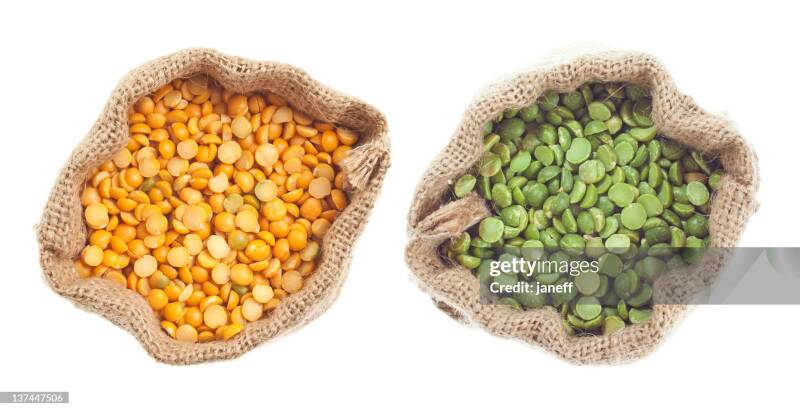
The two main groups of split peas are the green and the yellow group. Although there is a great deal of similarity in the way they are harvested and grown, when it comes to how they are used and taste, they are quite different. While traditional kitchens in Ethiopia almost exclusively use dried yellow split peas, green split peas are chemically and botanically the same legume and work just as well in the pot, cooking down into the same thick, comforting texture, despite the difference in taste and color.
Green and yellow split peas are virtually identical nutritionally because they come from the exact same plant species (Pisum sativum). The primary difference is genetic seed color, which alters their flavor profile slightly but leaves their macronutrient and micronutrient structures the same. Read here.
The U.S. Department of Agriculture (USDA) groups green and yellow split peas under the same nutritional profile.
Nutritional Value: Cooked Split Peas (Green or Yellow)
Serving Size: 100g (approx. 1/2 cup), boiled without salt. Source: USDA
| Nutrient | Amount | % DV* |
|---|---|---|
| Calories | 118 kcal | 6% |
| Protein | 8.3 g | 16% |
| Total Carbohydrates | 21.1 g | 8% |
| ↳ Dietary Fiber | 8.3 g | 30% |
| ↳ Sugars | 2.9 g | — |
| Total Fat | 0.4 g | < 1% |
| Sodium | 2 mg | 0% |
| Iron | 1.3 mg | 7% |
| Potassium | 362 mg | 8% |
| Folate (Vit B9) | 65 mcg | 16% |
* Percent Daily Values (% DV) are based on a 2,000-calorie diet. Green and yellow split peas share identical nutritional metrics per USDA classification.
While the raw numbers on a label are identical, small compositional differences affect how they cook and taste:
- Green Split Peas: These are harvested slightly younger. They retain a higher natural sugar content, giving them a sweeter flavor. They tend to break down a bit faster into a smooth, creamy texture. [Please read here]
- Yellow Split Peas: These are allowed to mature slightly longer on the vine. This gives them a slightly higher starch content and an earthy, nutty flavor. They hold their structural shape just a bit firmer than green peas unless cooked for a prolonged period. [Please read here]
Both choices serve as an outstanding, budget-friendly source of lean plant protein and gut-healthy prebiotic fiber.
Recipe
Ingredients
- 1 cup yellow split peas (rinsed thoroughly)
- 1 large red onion, finely diced (dicing instead of pureeing helps keep structural texture)
- 2 large tomatoes diced
- 3 tablespoons vegetable oil
- 4-5 cloves garlic, minced
- 1 teaspoon turmeric powder
- 2.5 cups warm water (less water keeps them from over-softening)
- Salt, to taste
Cooking Steps
- Rinse : Rinse the yellow split peas under cold water until the water runs clear. Do not soak or parboil them ahead of time, as soaking breaks down the outer cell walls and causes them to mush during cooking.
- Sauté the Onions: In a heavy-bottomed pot, add the diced onions and cook over medium heat with a splash of water for about 5 minutes until translucent. Add the oil and diced tomatoes and sauté for another 3 minutes until soft but not completely dissolved.
- Aromatics: Stir in the minced garlic and turmeric powder. Sauté for 1 minute until fragrant.
- Simmer: Add the rinsed split peas to the pot and pour in 2.5 cups of warm water. Bring to a gentle boil, then turn the heat down to low.
- Monitor the Texture: Cover and simmer for 25 minutes maximum. Check the peas at the 15-minute mark. You want them to be tender enough to bite through cleanly, but still distinctly holding their whole round split shape, rather than melting into a porridge.
- Finish Dry: If there is excess liquid when the peas reach your desired firmness, uncover the pot for the last 3–5 minutes of cooking to let it evaporate. (If there is still remaining excess liquid, you can get rid of it after it cools down using a ladle). Stir in salt to taste and remove from heat immediately so they do not continue to break down in the residual warmth.